

2026-05-28
Exploring the Thrilling World of WolfHidingBonusBuy on HHNN.Com
Dive into the exciting gameplay and unique features of WolfHidingBonusBuy available on HHNN.Com, the official gaming platform.

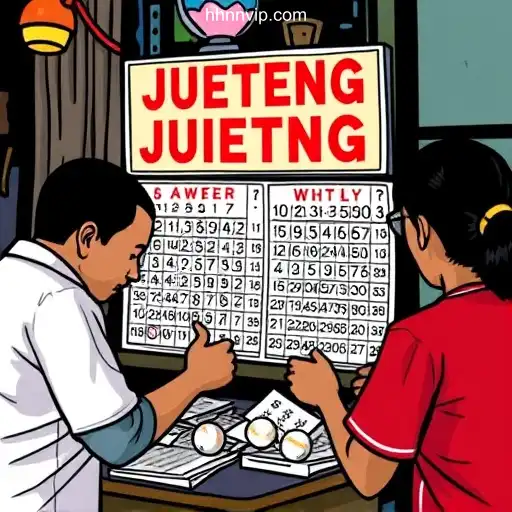
Jueteng is a widely recognized but illegal numbers game deeply rooted in Filipino culture. Its origins date back to Spanish colonial times, and it remains a prevalent form of gambling despite numerous efforts to eradicate it. Although outlawed, Jueteng continues to thrive due to its simplicity, widespread participation, and the allure of quick money.
At its core, Jueteng operates on a simple betting system. Participants select a combination of numbers, typically between one and thirty-seven, and place their bets with a cobrador, or bet collector. These numbers are then drawn randomly, often using small balls or other rudimentary methods. Winners receive a fixed payout based on the amounts they wagered, making it an accessible game for people of all socioeconomic backgrounds.
Jueteng'sallure lies in its promise of instant wealth, albeit with minimal investment. It is often played by individuals whose economic situations offer little in terms of financial security, turning to Jueteng as a form of escapism and a potential path to a better life. This appeal is possibly one reason that ensures its survival, despite its illegality.
While Jueteng presents itself as a harmless game, its implications on society are far-reaching. Economically, the game generates substantial revenue, although it primarily benefits illegal operators and corrupt officials rather than contributing to government coffers. The clandestine nature of Jueteng means that large sums bypass taxation, depriving the country of potential funds that could support infrastructure, education, and health initiatives.
Socially, Jueteng fosters dependency, encouraging participants to rely on luck rather than productive work. This can lead to financial instability, especially for families that engage in habitual gambling. Moreover, the culture of secrecy and the feeling of empowerment among local betting lords often contribute to a cycle of crime and corruption, adversely affecting communities.
Corruption is an undisputed facet of the Jueteng controversy. Local government officials, law enforcement, and even national figures have historically been implicated in protecting Jueteng operations in exchange for a cut of the profits. This entanglement with local power dynamics makes Jueteng difficult to eradicate, as there is often minimal incentive for these actors to discontinue their involvement.
The intertwining of Jueteng with political machinery is problematic, further entrenching systemic corruption. Public officials may use proceeds from Jueteng to fund electoral campaigns or curry favor with constituents, effectively perpetuating their political clout and maintaining the game's endurance within certain regions.
The Philippine government has consistently sought to combat Jueteng, yet efforts to curtail it face numerous obstacles. Campaigns involving police raids, public education, and legislation have met with limited success due to the deep-rooted nature of Jueteng in Filipino society. Part of the challenge lies in distinguishing Jueteng from legitimate but arguably similar numbers games, complicating regulatory measures.
Moreover, the legal framework needs to balance suppression with providing viable alternatives for those reliant on Jueteng. This could involve promoting lawful gaming options or enhancing economic development programs aimed at reducing poverty, thereby tackling the underlying causes of Jueteng's pervasiveness.
solutions have been proposed to replace Jueteng with legal and beneficial alternatives. One suggestion involves integrating existing number games under government oversight to ensure the generation of public funds and reduce illegal gaming activity. Other proposals emphasize transparency, enforcement of anti-corruption laws, and creating avenues for economic growth in affected areas.
While Jueteng might provide short-term financial relief for its players, a sustainable change mandates cooperation between government sectors, non-governmental organizations, and community leaders. Long-term success hinges not only on eliminating the game itself but also offering constructive pathways that lead away from the socioeconomic conditions fostering its persistence.
As Jueteng continues to be a controversial topic within the Philippine context, understanding its multifaceted impact is key to addressing the challenges it presents. Exploring potential solutions, while acknowledging the game's cultural significance, ensures that strategies are both pragmatic and sensitive to societal realities. Until effective measures are in place, Jueteng will remain an enduring challenge balancing legality, culture, and economic survival.
Dive into the exciting gameplay and unique features of WolfHidingBonusBuy available on HHNN.Com, the official gaming platform.

Explore MrMiser, a captivating game available on HHNN.Com, the official gaming platform.

Explore all there is to know about Spindrift2, a leading title in modern gaming. Delve into gameplay insights and current trends shaping the industry.